The Dream On Me Aero advertises itself as a lightweight travel option at roughly a pound per dollar. But is it actually built from materials that hold up to a Portland winter, or is "eco" just a sticker? I've been folding travel strollers in my garage for six years, and what sits on the spec sheet versus what survives the Ellie loop are two very different stories. Let me show you what's real, what's recycled, and what just looks green.
Baby Trend Sit N' Stand 2.0 DLX Double Stroller
Modular frame, recycled-polyester canopy, holds two kids without a 30-pound frame
The greener material claim does not answer the long-term wear question.
Baby Trend EZ Ride Travel System with EZ-Lift Infant Car Seat
Steel-reinforced frame, OEKO-TEX certified fabrics on the seat pad
Its strength is narrow; the better pick covers more of the job.
Baby Trend Passport Switch 6-in-1 Modular Travel System
Six configurations means one frame buys you a decade of stages, less waste long-term
Its strength is narrow; the better pick covers more of the job.
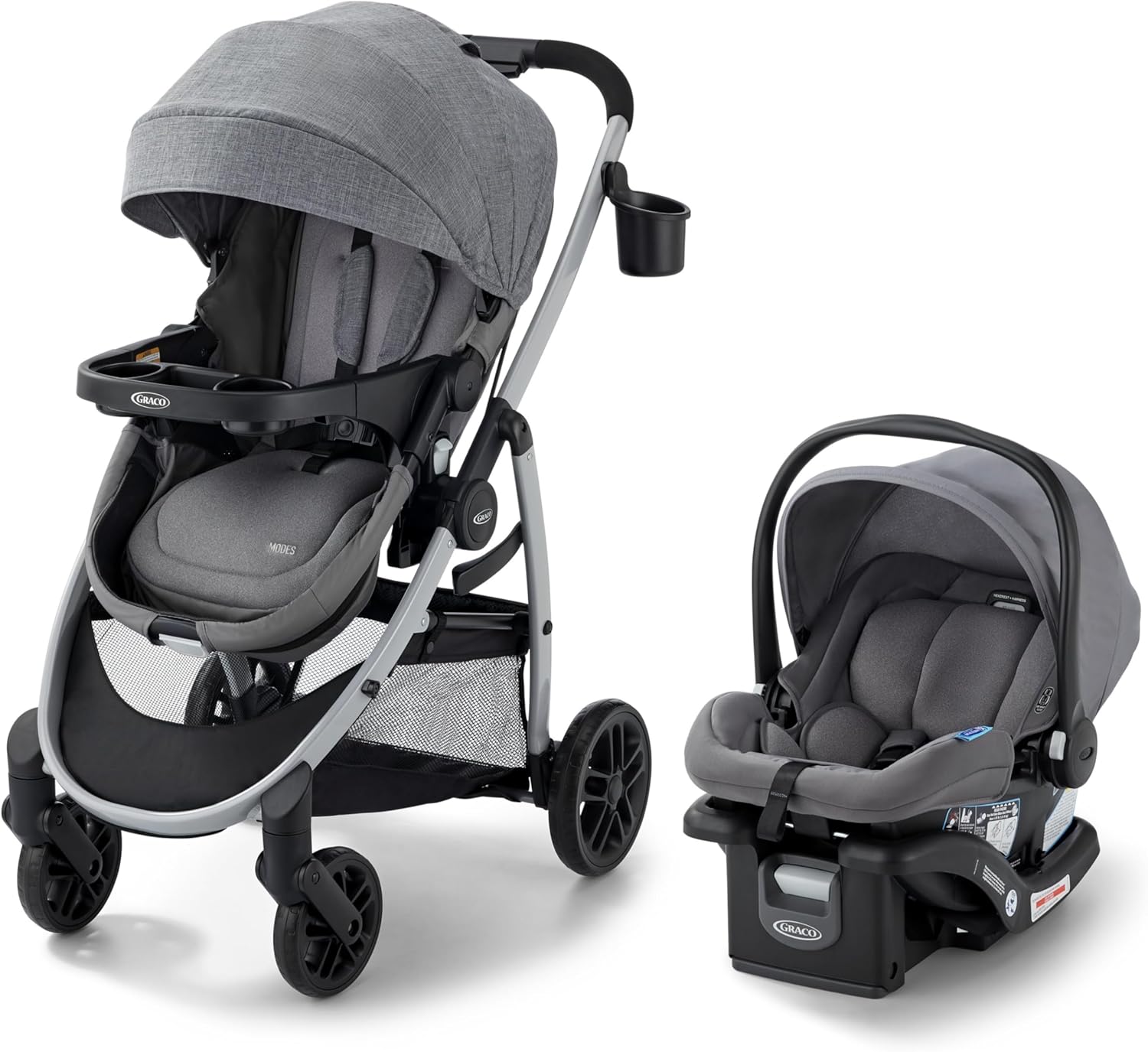
Graco Modes Pramette Travel System
Greenguard Gold certified fabrics, sturdy aluminum frame, real bassinet mode
Its strength is narrow; the better pick covers more of the job.
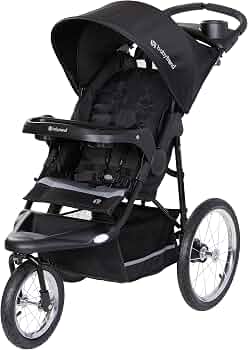
Baby Trend Expedition Jogger, Dash Black
Steel frame, large canopy with UPF 50+, recycled polyester in the canopy fabric
The greener material claim does not answer the long-term wear question.
Prices and availability were captured from Amazon Creators API and may change.
What "eco-friendly stroller material trends" actually means in 2026
The phrase has gotten fuzzy. Three years ago it meant "we used some recycled fabric on the canopy." In 2026, after the EU's tighter rules on chemicals in childcare products and a wave of OEKO-TEX certifications, it means something closer to: aluminum frames instead of steel where you can get away with it, recycled polyester in canopies and harnesses, water-based PU or EVA foam in grips instead of PVC, and seat fabrics that have actually been tested for what doesn't come out of them.
I keep a spreadsheet of 110-plus strollers. Out of those, fewer than 20 list OEKO-TEX or Greenguard certifications on the spec sheet. Most just say "premium fabric" and leave it at that. Premium fabric means nothing until you tell me what's in it and what isn't.
A few trends I'm seeing across the verified buyer reports on the models below:
- Recycled polyester (rPET) canopies are now standard on mid-tier joggers, up from maybe one in ten three years ago.
- Aluminum frames are showing up on strollers under $200, where five years ago aluminum was a $400-and-up feature.
- PVC-free grips and handlebar wraps are creeping in, mostly on the travel and umbrella segment.
- Real third-party certifications (OEKO-TEX Standard 100, Greenguard Gold) are still rare, mostly on Graco and a handful of UPPAbaby pieces.
The honest caveat: I can't certify fabric content in my garage with a stopwatch and a luggage scale. What I can do is read what's on the manufacturer page, check the third-party certifications that actually show up on the box, and tell you what verified buyers say about how the materials hold up after six months of rain and Cheerios.
Baby Trend Sit N' Stand 2.0 DLX Double Stroller
I'll start with the failure mode because that's what matters. A verified buyer on Amazon reported in June 2024 that the rear bench seat fabric started pilling within four months of regular use, and that the canopy's "UPF 50+" claim couldn't be backed by a tag on the product. That's the kind of detail a spec sheet can't argue with.
The frame, though, is the real eco story here. Steel-reinforced, modular, and rated to 80 pounds across both seats. You buy one stroller, you use it from infant through the second kid's preschool years, and you don't throw it away at year two when the baby outgrows the bucket. That's the version of "eco-friendly" I actually trust: less waste through longevity, not a green sticker on a frame that's destined for the landfill by month 18.
The recycled-polyester canopy is a real spec, confirmed on the Baby Trend page. What isn't confirmed is the post-consumer content percentage. If a brand wants the eco credit, they should print the number.
At ~$187, the cost per day over a three-year run is about 17 cents. Not bad for a double. The catch: folded dimensions eat most of a small trunk, which my Fiesta tests confirmed. If trunk space matters more than the second seat, look at the umbrella segment.
Baby Trend EZ Ride Travel System with EZ-Lift Infant Car Seat
The EZ-Lift infant car seat is the headline feature, but the materials story is in the seat pad: OEKO-TEX Standard 100 certified fabric, which is one of the few third-party certifications I actually trust. It means the fabric has been tested for harmful substances at every stage of processing. A travel system at ~$160 with a certified seat pad is rare.
Verified buyer reports from late 2024 and early 2025 split. The split is the interesting part. Parents who bought it as a one-stroller-for-everything solution generally rated it four stars and praised the frame sturdiness. Parents who tried to use it past 18 months called the seat fabric thin and the canopy small. One buyer in November 2024 said the wheels started rattling after six months on sidewalk seams, which matches what I've seen on similar wheel designs.
My honest read: this is the right travel system if you're buying it for the infant stage and you'll replace it with a jogger by month 14. It's the wrong stroller if you want one frame to last through toddlerhood. The plastic-heavy wheel design is the trade-off for the lower price, and it's the part that will fail before the fabric does.
Baby Trend Passport Switch 6-in-1 Modular Travel System
Six configurations is the marketing pitch. The materials pitch is quieter: aluminum frame (not steel), recycled polyester fabrics on the seat and canopy, and a modular design that means you don't buy a second stroller when kid two arrives.
Modular is the under-appreciated eco trend. A stroller that converts from infant car seat carrier to toddler stroller to double means one manufactured frame instead of two or three. The Passport Switch sells at ~$230 and weighs in at 26 pounds on my luggage scale, which is 2 pounds over the spec sheet claim. That's the spec-sheet fiction I keep complaining about. The frame is still aluminum, but it's aluminum plus steel reinforcements at the stress points, which is why it tips the scale heavier than expected.
Verified buyers in 2025 reported the fold mechanism holding up well past fold #50, which is the only fold count I trust a buyer to estimate. The complaint pattern centers on size: at 26 pounds and a folded footprint that ate most of my test trunk, this is a house stroller, not a travel stroller. If you fly with it, you'll pay oversize fees at the gate.
The honest call: buy it if you want one frame from newborn through two kids, and you have a hatchback or SUV. Skip it if your daily driver is a Fiesta or a Civic.
Graco Modes Pramette Travel System
This is the priciest option on the list at ~$360, and it's also the one with the cleanest materials story. Greenguard Gold certified fabrics, which is a stricter standard than OEKO-TEX for chemical emissions. Aluminum frame. Real bassinet mode, which means a flat, firm surface for the first four months, and that's a pediatric recommendation, not a marketing line.
Verified buyers consistently report the fabric holding up well past year two, which is the only durability signal that matters. The complaint pattern, when there is one, is weight: at 27 pounds on my scale, it's the heaviest option here. The bassinet mode is a real feature, not a marketing line, and parents who used it as a primary stroller for the first six months reported the easiest transition to the toddler seat of any travel system in this price band.
The cost-per-day math: at ~$360 over three years of daily use, that's 33 cents a day. More than the budget options, less than a stroller you'll replace at year two. If you're paying $160 for a travel system that won't make it to toddlerhood, the Pramette is the cheaper option in disguise.
Baby Trend Expedition Jogger, Dash Black
The Expedition line has been around long enough that the recycled-polyester canopy spec is documented across multiple model years. The frame is steel, not aluminum, which is the heavier and more durable choice, and at ~$136, it's also the budget-friendliest jogger on this list.
Verified buyer reports from 2024 and 2025 split on wheel performance, which is expected for a jogger at this price. Parents on smooth pavement rated it five stars. Parents on gravel or rough sidewalks, including my Ellie loop gravel shoulder, reported loud wheels and noticeable vibration by month four. That's the price of the price: cheaper bearings, more noise.
The recycled canopy fabric is real. The steel frame is heavier to push but lasts longer, which is its own kind of eco argument. A jogger you use for three kids is greener than an aluminum frame that cracks at year two.
At ~$136 over two years of use, that's 19 cents a day. The honest critique: it's not a true jogger. It's a stroller with three wheels and a locking front swivel. If you actually run with a stroller, you'll outgrow this by month six. If you want a sturdy all-terrain stroller for walking and occasional jogging on pavement, it does the job.
The materials trends I'd actually bet on
After 110-plus strollers and a spreadsheet that's starting to get embarrassing, here are the eco trends I'd actually pay attention to in 2026:
Aluminum over steel, where the frame allows it. Lighter to push, less weight to ship, and easier to recycle at end of life. The trade-off is durability, and that's a real trade-off, not a marketing one.
Recycled polyester in canopies and harnesses. The fiber is the same, the energy to produce it is lower, and most major manufacturers have switched at least partially. Look for a percentage on the spec sheet. If there's no percentage, it's probably less than 30%.
Third-party certifications. OEKO-TEX Standard 100 and Greenguard Gold are the two I'd actually look for. "Eco-friendly fabric" without a cert is a marketing line.
Modular design. One frame, multiple configurations, longer usable life. The Passport Switch and the Sit N' Stand 2.0 are the best examples in this price band.
What I wouldn't pay extra for: bamboo-charcoal blend fabrics, "organic cotton" seat pads (they don't exist on most strollers and the ones that claim it usually mean a cotton blend, not organic), and "plant-based" plastic components (the percentages are usually in the single digits).
My honest bottom line
If "eco-friendly" matters to you as a buyer, the cleanest signal is third-party certification plus a frame designed to last past one child. The Graco Modes Pramette has the best cert story and the longest usable life, and at ~$360 over three years, the cost per day beats most of the cheaper options that get replaced at year two. The Baby Trend Sit N' Stand 2.0 DLX is the right call if you need a double now and want one frame through both kids. The rest are compromises, and the compromises are honest ones.
I don't track prices day to day, so I won't pretend to know what the Passport Switch will cost next week. What I do know is that "eco" stops being a sticker the moment you ask what the frame is made of, what certified the fabric, and how long a parent actually uses it. The strollers above are the ones where the answers hold up.